Enhancing Spring Cover Crops
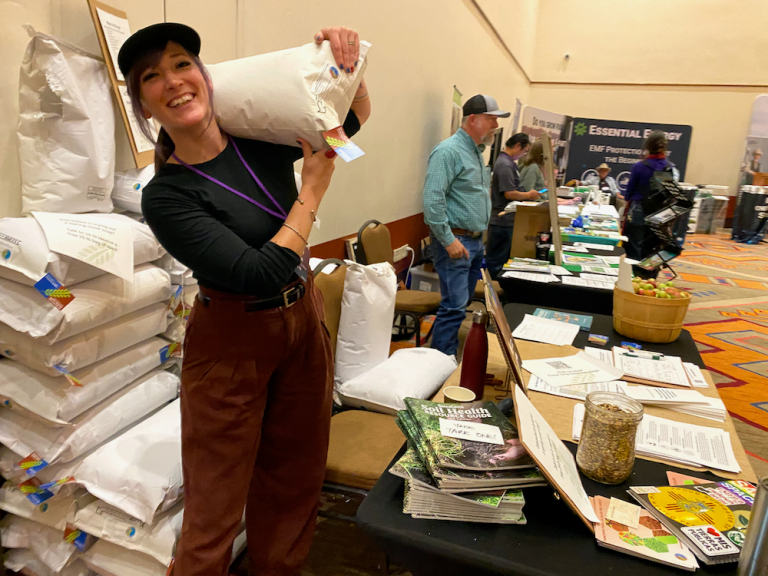
In the fall of 2023, NM Healthy Soil partnered with Green Cover Seed to distribute one hundred 25-pound bags of a custom designed spring cover crop seed mix among attendees at the annual REGENERATE Conference, taking place in Santa Fe, New Mexico. This article is the first in a three-part series providing guidance on how to plan, plant and harvest a diverse spring cover crop in the Western United States.
If you are looking for opportunities and strategies to increase diversity and maximize your cover cropping benefits, consider the value added from Springtime cover cropping. Adding spring covers into rotations is less common than winter or summer cover cropping and while it can be very advantageous within a specific context, the primary benefits and management are often not fully realized or understood.
Generally, spring is a time to plant cash crops, increase grazing activities, and mow vegetation in orchards. In livestock or haying operations, spring seeding is a typical practice to overseed fields or establish a new pasture or hay crop. Therefore, in a livestock operation, a spring cover crop seeding can be considered a cash crop and the direct economical benefits are much easier to assume (feed for livestock). But why should a farmer or gardener consider seeding spring cover crops? When is the ideal timing? And how do spring cover crops increase a farmer’s bottom line?
As with all cover crop educational resources, the bigger picture and major impetus of cover cropping is to increase soil health and farm ecosystem function. Spring cover crops allow for establishing a wide diversity of plants given the mild temperatures and available moisture, plus warm temperatures to come. This combination of conditions increases the overall opportunities to improve soil health, enhance insectary and pollinator benefits, and increase forage diversity and feed value.
Spring Mix Composition
In this series of articles we are going to look at a spring mix designed by Green Cover Seed and generally discuss ways to manage a diverse mix from seeding to termination. It is important to understand when seeding a diverse mix with more than ten species, not all the species will germinate or perform well. The overall success of each species will be specific to your farm context, and is greatly dependent on the current condition and health of the soil, precipitation, seeding methods, and irrigation availability. As long as 5-6 species perform well, large benefits will follow with little management required.
Ideally, the cover crop will be composed of multiple grasses, legumes, brassicas, and other broadleaf plants. Although certain plants will be in the same plant family, each provides unique characteristics, such as different root and leaf architectures, root exudates, microbial associations, weed suppression benefits, nutrient cycling and scavenging capabilities, forage value, and insectary benefits.
Here is the list of species that comprised the mix designed for NM Healthy Soil’s spring cover crop seed campaign. It’s a great diverse mix of species and their individual characteristics check many, if not all of the boxes:
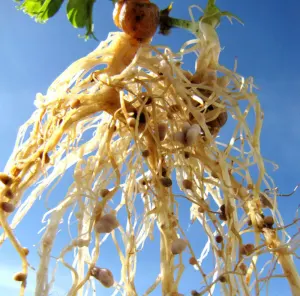
- Spring Forage Pea – large N fixation and residual N from decomposition, biomass, weed suppression.
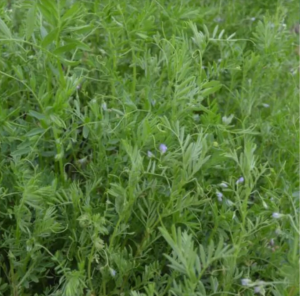
- Common Vetch – N fixation, good biomass, pollinator.
- Crimson Spring Lentil – low water use, shallow taproot, good mycorrhizal support for a legume, and high forage and hay quality.
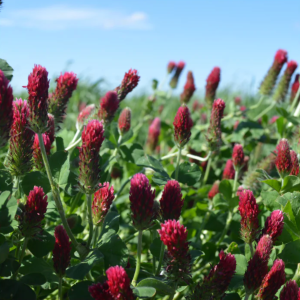
- Kentucky Pride Crimson Clover – N fixation, pollinator, biomass, weed suppression.
- Balady Berseem Clover – N fixation, pollinator, weed suppression, no bloating high quality forage, more palatable than alfalfa, low water use.
- Cosaque Black Oats – fibrous root, mycorrhizal benefits, good biomass
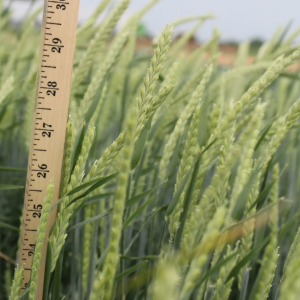
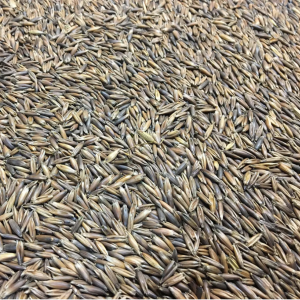
- Lavina Beardless Spring Forage Barley – fibrous root, mycorrhizal benefits, good feed quality grain, lower water use requirements than most cereals.
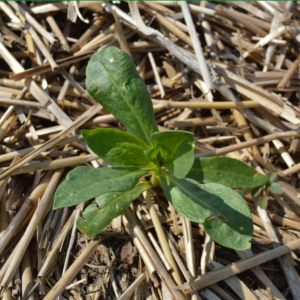
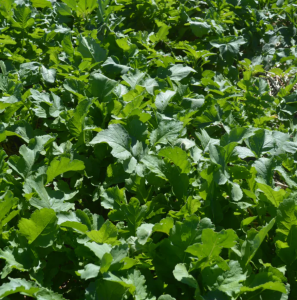
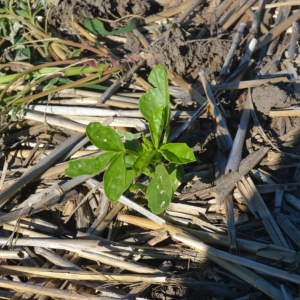
- Nitro Radish (daikon) – nutrient scavenger, compaction breaker, large channels created for subsoil infiltration and channels for crop roots to grow, provides biofumigation reducing pest and nematode pressure.
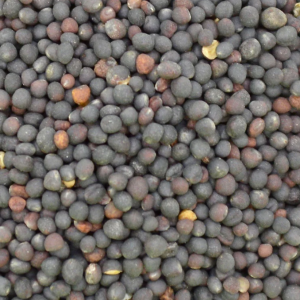
- Trophy Rapeseed – Deep penetrating tap root, great nutrient cycler and nutrient scavenger of N, high forage value.
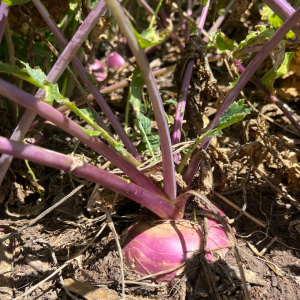
- Purple Top Turnip – great forage crop, weed suppression, overall great nutrient scavenger, fast growing root.
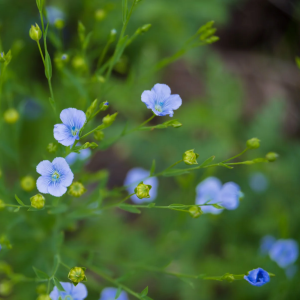
- Brown Flax – very heat tolerant, phosphorus mobilizer, attracts beneficials, diversity enhancer.
- Baldy Safflower – very drought tolerant, compaction breaker, large tap root and nutrient scavenger, spineless variety supports good palatability for grazing, produces oil, seed feed for birds.
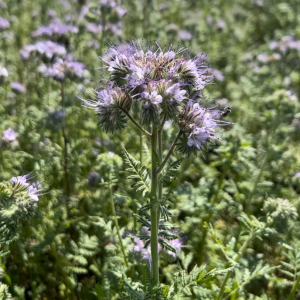
- Super Bee Phacelia – Exceptional pollinator with a high-quality source of nectar and proven to increase honey bee production, extensive fibrous root system increases organic matter.
Integrating Spring Covers into Crop Rotations
How spring cover crops fit within the rotation is very contextual and farm specific, so I am going to begin with an emphasis on revisiting the six principles of soil health as the main driver of our decisions and planning.
Where on the farm do you need to: 1) reduce disturbance, 2) increase soil armor, 3) increase diversity, 4) need to increase living roots, 5) have an opportunity to integrate or improve grazing, and 6) what is your context?!
No matter where and how you decide to add spring covers, you will achieve numbers 1-4 depending on how you manage them. In addition, we need to evaluate how to best include cover crops to improve and support the Four Ecosystem Processes on the farm – Energy Flow, Water Cycle, Mineral Cycle and Diversity. With proper management of cover crops we will be supporting a net benefit to the Four Ecosystem Processes just mentioned. Below I will discuss some options and ideas around rotations and optimizing the benefits. In all decisions moving forward, always keep in mind your specific ecological farm context, and get creative with timing and methods for establishing covers.
Vegetable Farm and Garden:
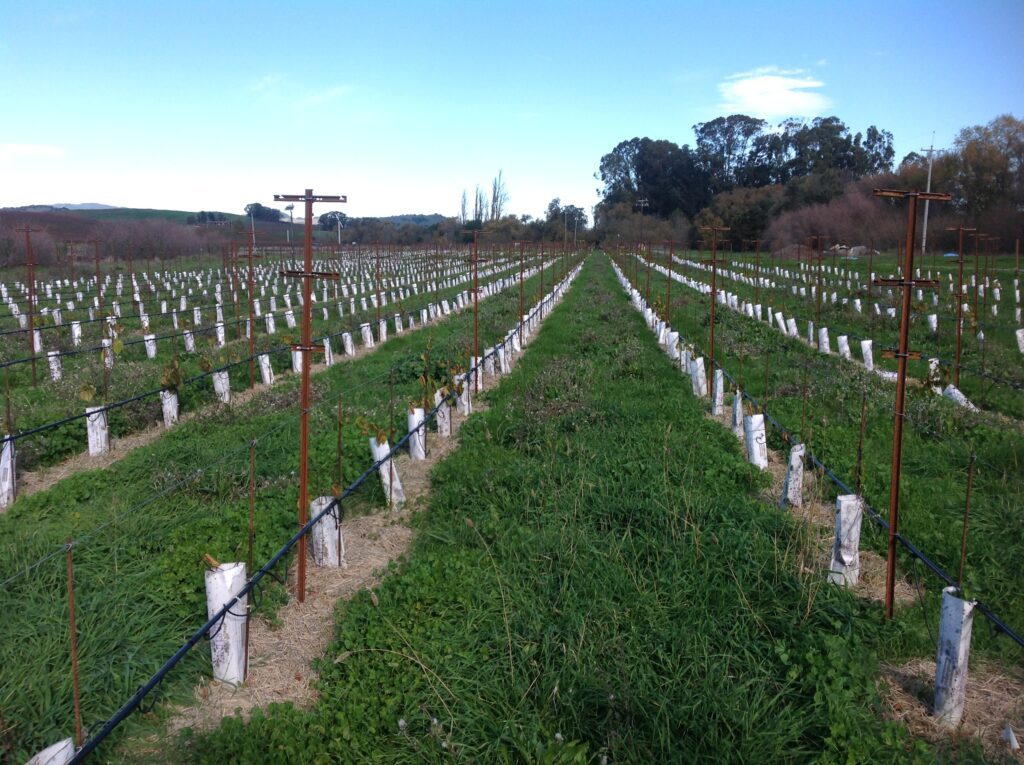
For the market gardener or home gardener, spring covers are a phenomenal tool to provide extended rest to beds planned for Fall and Winter crops. Beds that were bare and had poor armor over the winter are good locations to provide spring and summer time rest with covers. They can be used as a pollinator-insectary and after termination provide mulch for the next planting, or around the garden. The mix described above will also be increasing nutrient cycling and nutrient availability through fixation, microbial mineralization, and mycorrhizal associations, which will support the next crop’s nutritional needs.
Identify locations in the garden in need of soil restoration, providing rest and recovery throughout the spring and summer. If you have a large garden area you can plan small block rotations or designate specific beds throughout the garden to spring covers. If developing a new garden plot on poor soils, planning one year in advance, utilizing a diverse cover crop along with necessary soil mineral balancing will greatly improve soil health fertility the following year.
To maximize the potential and benefit of a diverse spring cover, allow the majority of the species to run their full lifecycle and set seed. This will maximize rooting depths, root exudate production, residues and winter armor, and can become the first planted beds the following Spring or a fall garlic planting. If you have small livestock, spring covers become a great source of additional feed, and can be grazed once in the summer and likely in the winter as a small stockpile plot, increasing natural sources of fertility ,residue decomposition, and insect control. Most of the clovers in this mix may over winter and if the cereal grains produced seed, they may germinate in fall and grow in milder winter climates, providing a free winter cover crop.
In a larger vegetable farm, field blocks can be rotated into entire cover crops as a resting period, or spring covers can serve as interplanted-pollinator rows throughout the blocks. In a region like Yuma, Arizona where winter production is the primary season, a spring cover crop is a very opportunistic period to consider.
In any farm or garden, I like to seed border rows and beds throughout the planted blocks. Generally, providing a pollinator row every 10-20 rows throughout a vegetable farm greatly increases predatory insects and reduces insect pressure around the farm. Vegetable or annual crop farms over five acres in production, should prioritize and practice resting blocks within the rotation, and mix up cover crop rotations of winter, spring and summer cover species. Rest and recovery combined with diversity of cover crops species and seasons will lead to powerful soil health improvements. Spring cover crops are a tremendous tool in the equation for more diversity.
In the Orchard:
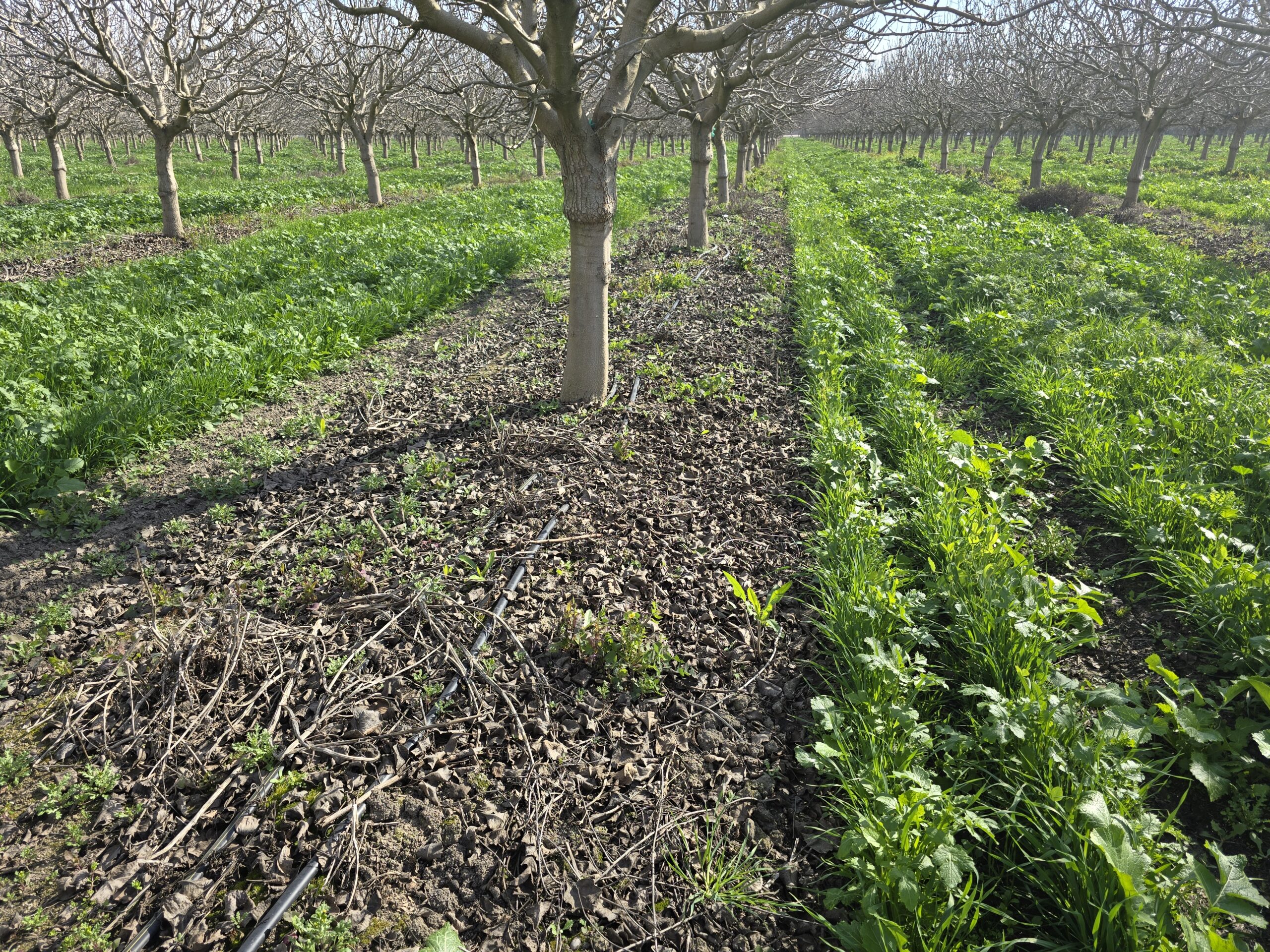
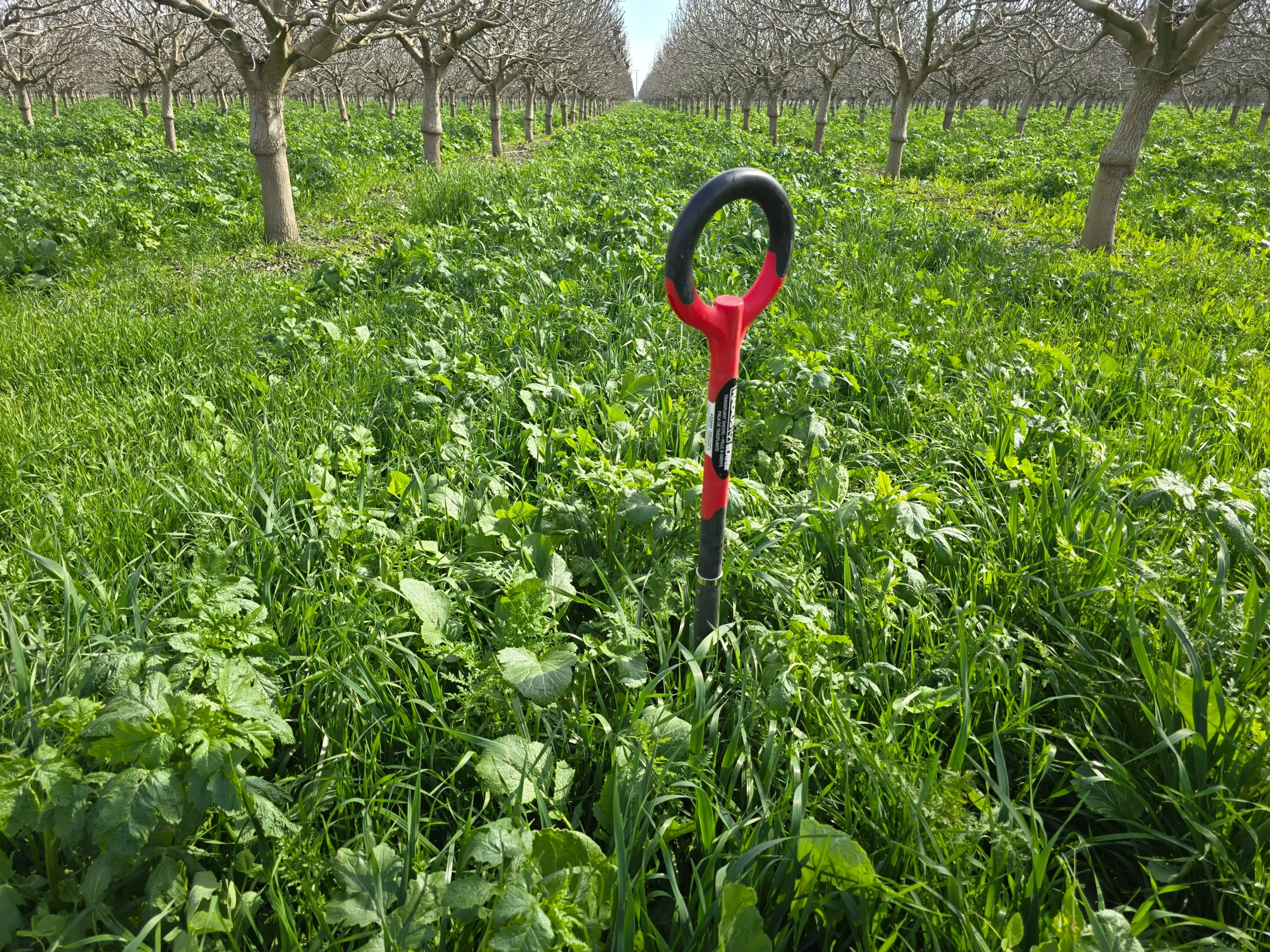
Establishing Spring covers in the orchard is not as easy or practical in the arid-West, unless you have overhead irrigation, micro-sprinklers spraying out into the alleyway middles, or good late spring to early summer monsoon rains. In warmer Southwest climates, spring covers can be seeded in late Winter or early March, and rely on springtime rains.
Despite these challenges, if you strike luck, the benefits will be immense, by inviting more pollinators and insect predators to the party, increasing soil aggregation and improving the water cycle, cooling field temperatures, and adding the opportunity for longer grazing periods.
If grazing sizable herds through your orchard is foundational to the feed of the herd, you will have to further determine if a spring cover is the right time. The seeding would have to occur after a graze or months before the graze.
Broadcasting across the orchard will certainly establish plants in the irrigated tree row, and will provide great benefits as long as you can manage the vegetation and reduce competition to young trees. If seeding in the small home orchard, the sky’s the limit, and a broadcast seed followed by a moveable sprinkler will transition into an ecosystem oasis. As mentioned in the garden section, allow the species as a whole to reach a mature level and biomass production before completely terminating.
Grazing and Feed:
Looking at each individual species on the list above, it is obvious there are great nutritional feed benefits. This mix can be overseeded to a degraded or poor producing pasture to increase diversity and serve as a biological “primer” providing all the soil health benefits we are aiming to achieve.
Another good option is to over seed a sparse or poorly producing alfalfa field. Instead of plowing the alfalfa under, many regenerative alfalfa growers are turning to overseeding fields, letting the plants and biology do their restorative magic to the soil, and then run livestock to keep priming the biological and carbon pump. Ideally the cover crop is not extracted as a hay crop and is grazed.
To maximize the potential grazing forage and soil health benefits, be sure to understand the principles of adaptive and holistic grazing, by conducting short grazing durations and long rest periods. Also be sure to capitalize on the pollinator and insectary benefits. If there are adjacent alfalfa fields, they likely will have a reduction in aphids and weevil damage, reducing pesticide inputs.
And lastly, for those seeking wildlife food plots, this mix will attract more animal friends to the party, and provide a nice aesthetic meadow-like nature to the property.